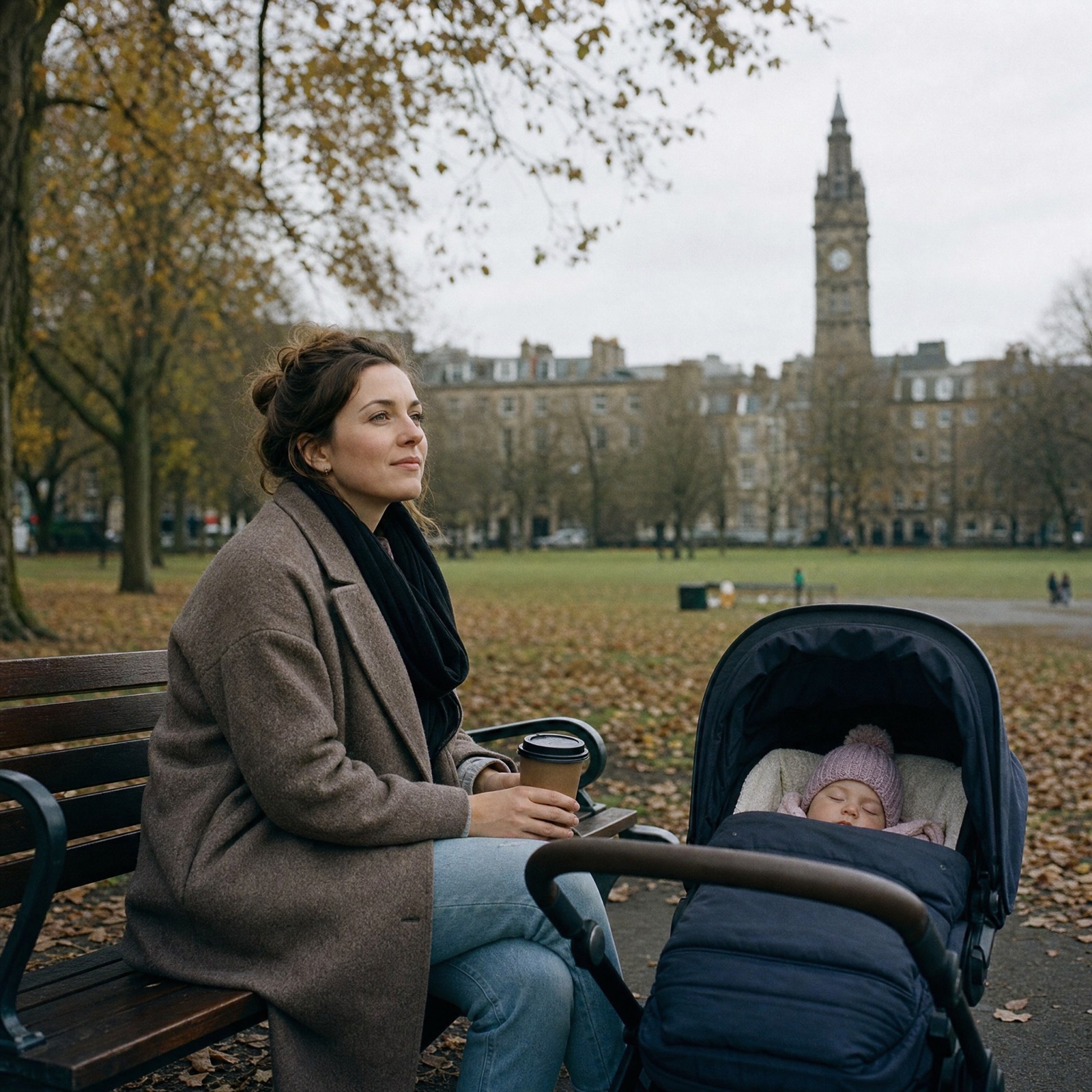
Margaret is 61 years old and has lived just outside Dumfries in Locharbriggs for most of her adult life. She started smoking at 23, at a job where nearly everyone on her shift smoked, and carried on for 38 years. She tried to quit four times. The longest she managed was eleven days.
"I used to say I was just a smoker," she says. "Like it was a fixed thing about me. I'd tried patches, I'd tried going cold turkey twice. The eleventh day was the worst of my life. I went back to it and honestly felt relieved. After that I thought, that's it, this is just who I am."
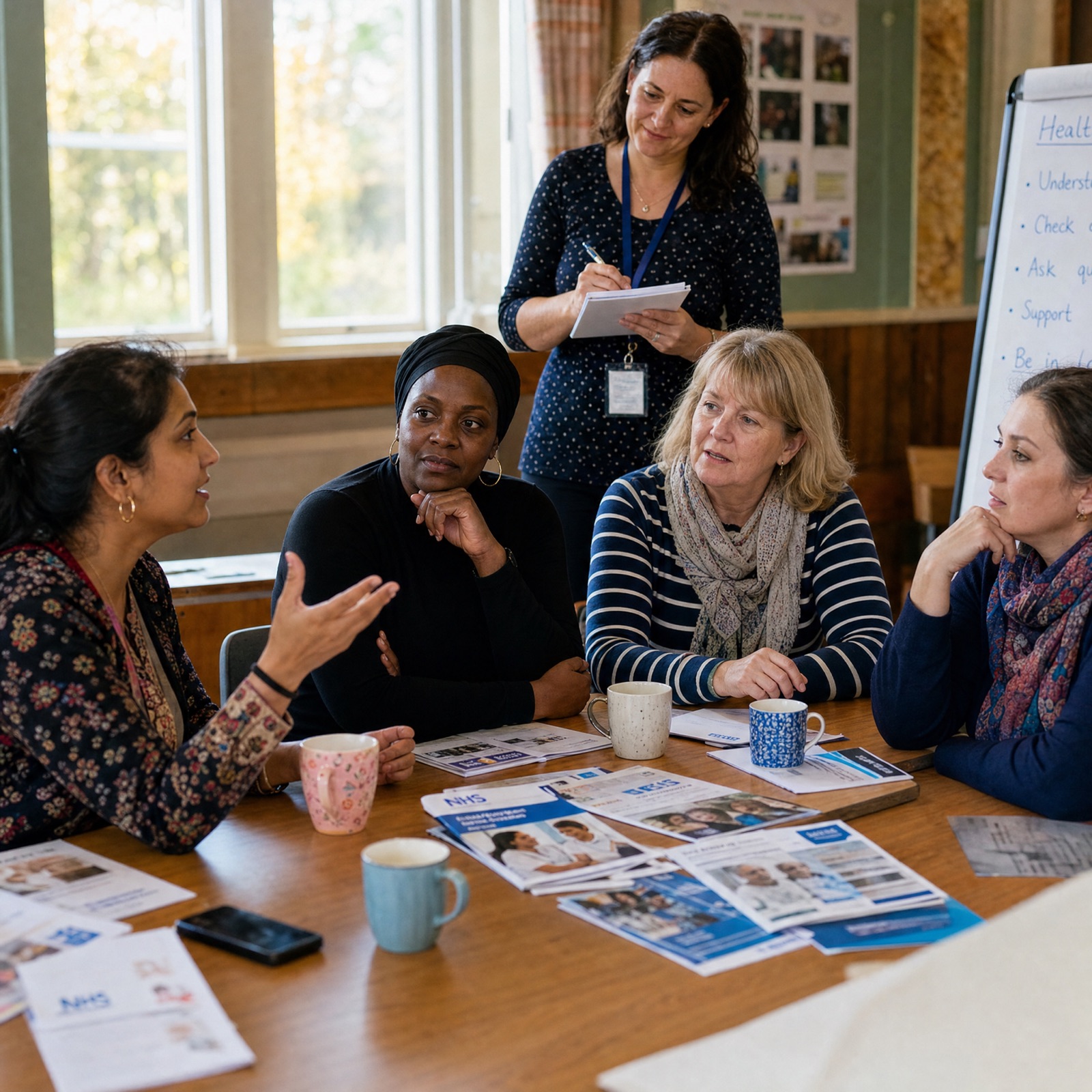
Her GP mentioned our peer group in passing during an appointment about something unrelated. Margaret says she almost didn't come. "I thought it would be people telling me smoking kills you, as if I didn't already know. I thought I'd feel stupid. I'm not good in groups." She came anyway, partly because a friend from the Locharbriggs area offered to drive her in.
What surprised her most in the first session was that nobody asked her to commit to anything. "They said come along, see how it goes, no pressure. And the other people in the room — they weren't some special category of motivated person. They were just ordinary folk who were struggling with the same thing I was. That was the bit that got me."
"A slip isn't the same as a failure, it's just information." Someone said that to me and I've thought about it a lot since. It changed how I talked to myself when things went wrong.
— Margaret, Locharbriggs
Margaret stayed with the group for fourteen weeks. She used nicotine patches and, for the first three weeks, a short-course prescription her GP had discussed with her previously but that she'd never tried. She had two slips — one at a family funeral in week five, one in week nine when a pipe at home burst and the stress became overwhelming. Both times, she came back to the group the following Tuesday.
"Nobody made me feel rubbish about it. Someone said, 'a slip isn't the same as a failure, it's just information,' and I've thought about that a lot since. It changed how I talked to myself when things went wrong."
Margaret marked twelve months smoke-free in March. She still finds certain moments difficult — Sunday mornings especially, she says, because that's when she used to smoke in the garden with a cup of tea. But she also says she can breathe better walking up the hill to her sister's house, that food tastes different, that she sleeps more deeply. Small things that accumulate.
She now volunteers occasionally to speak to new members of the group, not as a success story to perform, but as someone who spent 38 years thinking she couldn't do it. "If someone like me can get to a year," she says, "I want people to know that counts for something." It does.